
Be yourself; Everyone else is already taken.
— Oscar Wilde.
This is the first post on my new blog. I’m just getting this new blog going, so stay tuned for more. Subscribe below to get notified when I post new updates.
Be yourself; Everyone else is already taken.
— Oscar Wilde.
This is the first post on my new blog. I’m just getting this new blog going, so stay tuned for more. Subscribe below to get notified when I post new updates.

I think energy is everything, in life in football and in sport
Mikel Arteta
Arsenal may have experienced their worst stint of the last decade with terrible loses and negative atmosphere as seen in the fans following a series of regenerate decline of the beautiful football propagated by Arsene Wenger.The 18 months of Unai Emery spelled Doom as many supporters lost faith in the direction taken by the former PSG coach.
Freddie’s interim position didn’t offer much either as the Arsenal playing style didn’t change any bit.
Many had written out the possibility of hiring a manager with zero experience and this is totally uncalled for as Wenger had not had earlier success but came to Arsenal and built a fortress as seen in his invincibles .
Mikel Arteta having only been in charge of the team for less than three weeks has been a revelation and a future hope for the Emirates faithful as his style and intensity has quite a handful of similarities to the invicible sides of 2003/2004 season when Arsenal was a reckoning force

Arteta’s press conference and interviews dictate maturity, leadership and intelligence
He may not have been the greatest of players but his managerial stint will Mark the change in the belief system of most fans

Southampton faced the gunners just after coming off a 9:0 loss to Leicester City
Emery went into the match with confidence to retain his job as the Arsenal manager following the resent backing by the Arsenal board although he may have praised the Saints in the last press conference before the game
Southampton scored the first goal of the match at Arsenal’s home ground not like many had expected
A late Laccazette goal secured a late draw at the Emirates


1.Bernd Leno-didn’t have much to do
Should have saved Ings’ goal
Saved Redmond’s shot with his finger tipa
2. Sokratis -suspect at the back and couldn’t manage the Southampton players’ pressure
Lost a ball that almost led to a Southampton goal
3.David Luiz- Clearly the most stable of the other pairings at the back and a constant threat during set pieces

4. Calum Chambers-Keeps backpedling each time Arsenal are under attack
5.Hecto Bellerin-Still not at his level best.Wondering if he’s lost his talent and speed
6.Kieran Tierney-Good going foward and his cross led to the first goal
Conceded a penalty by dragging a Southampton foward
7. Matteo Guendouzi-Runs out of position which exposes the center backs
Touches the ball so many times and slows down so many attacks
8. Lucas Torreira-Constantly breaks Arsenal’s attacking play as he easily loses possession each time Arsenal attacks
Needs to put back things in order
Almost scored an own goal in the start of the second half
9.Mesut Özil-Bright spark and the only hope Arsenal have as far as creation of chances is concerned
10.Pierre Emerick Aubameyang-The Arsenal captain is beginning to show how vocal he can be
11. Alexandre Laccazette-Scored the first Arsenal goal putting the gunners back in the game not once but twice although the second time was perhaps too late
Seems bright unlike his form in the past few weeks

Substitutes
1.Nicolas Pepe -Subbed in in the second half to replace Calum Chambers
Almost scored the second goal but his unselfishness denied him the chance of putting Arsenal ahead
Almost scored moments later but was denied by the bar
Sent McCarthy into an excellent save
2.Joe Willock
Made an excellent interception denying Soton a third
3.Gabriel Martineli
Played well in the few minutes he had.Was directly involved in Arsenal’s equaliser


Babu Owino may have had a fair share of the media limelight during his stint at the University of Nairobi with several political protests and campaigns that made The University of Nairobi stand out as far as student activism is concerned .
“If the government wrote off 24Billion owed by KQ,Wrote off over 2billion owed by coffee farmers,wrote off 40billion owed by sugar milling companies,then the Government can write off 6.5billion owed by comrades who have no jobs to pay back HELB instead of publishing them on newspapers.President Uhuru must act and write off comrades loans.“
BABU OWINO
Embakasi East MP Babu Owino has expressed his sentiment by asking President Uhuru Kenyatta to write off KSh 50 billion loans former students owe the Higher Education Loans Board (HELB). Owino further added that it was the government’s responsibility to educate its citizens and the idea of listing loan defaulters is uncalled for
This comes after the loans board threatened that it will publish names of at least 85,000 beneficiaries who have not finished servicing their loans from 1975. The board further set a 30 day grace period to pay their debts or risk their names, complete with photographs, published in national dailies.
Owino has had in his defense that his budget is weighed down by the fact that he committed his salary to helping the needy students having hailed from a humbled background .

The US has banned Busia Senator Amos Wako, his wife Flora Ngaira and son Julius from entering the country and doing business with it over corruption allegations while he was attorney-general.
In a statement, US Secretary of State Michael Pompeo also banned Mr Wako’s wife Flora Ngaira, and son, Julius Wako.
This means that Mr Wako, his wife and son will not be allowed to visit America or transact any business in that country or with companies affiliated to Americans.

“Today (Monday), the Department designates former Kenyan Attorney General Amos Sitswila Wako due to his involvement in significant corruption,”
STATEMENT RELEASED ON MONDAY
Mr Pompeo said the designation was made under Section 7031(c) of the Department of State, Foreign Operations, and related programs appropriations Act, 2019 (Div. F, P.L. 116-6), as carried forward by the continuing appropriations Act, 2020 (Div. A, P.L. 116-59).
Section 7031(c) provides that, in cases where the Secretary of State has credible information that officials of foreign governments have been involved in significant corruption, those individuals and their immediate family members are ineligible for entry into the United States.
ALSO SEE:
https://tibim5.home.blog/2019/11/20/the-luohistory-and-migration/

days
hours minutes seconds
until
DOO YA FARE NA NDOTO

Former Chelsea and Manchester United boss Mourinho has signed a contract until the end of the 2022-23 season, having been out of work following his dissmissal at old traford last season

Mourinho is thought to have signed a deal worth around £15m a season – a reported £7.5m more per year than Pochettino was paid – and following his appointment, the Portuguese told the club’s official website: “I am excited to be joining a club with such a great heritage and such passionate supporters.
“The quality in both the squad and the academy excites me. Working with these players is what has attracted me.
“Mauricio and his coaching staff will always be part of our history. I have the utmost admiration for the manner in which he dealt with the difficult times away from a home ground whilst we built the new stadium and for the warmth and positivity he brought to us.
“I should like to thank him and his coaching staff for all they have contributed. They will always be welcome here.
“We have a talented squad. We need to re-energise and look to deliver a positive season for our supporters.”
A Spurs statement read: “Jose is one of the world’s most accomplished managers having won 25 senior trophies.
“He is renowned for his tactical prowess and has managed FC Porto, Inter Milan, Chelsea, Real Madrid and Manchester United.
“He has won a domestic title in a record four different countries (Portugal, England, Italy and Spain) and is one of only three managers to have won the UEFA Champions League twice with two clubs, FC Porto in 2004 and Inter Milan in 2010.
“He is also a three-time Premier League Champion with Chelsea (2005, 2006, 2015).”

https://tibim5.home.blog/2019/11/20/the-luohistory-and-migration/
Spurs have had title challenges fall short that were magical runs and a Champions League final just six months ago that I had a hard time explaining just what it meant to everyone that follows the club. Those runs ended in heartbreak, and I want that to change. I want to see our captain, Hugo Lloris, lift a trophy in a Spurs kit while everyone around him celebrates.
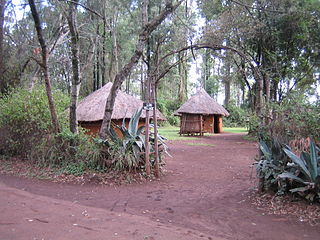
Oral traditions reveal that the Kenyan and Tanzanian Luo tribe descended from early fishing, agricultural and herding communities from western Kenya’s early pre-colonial history, and dialects of their language have historic roots across the inter-lacustrine region. Besides, their language has incorporated Bantu words making it different from the Ugandan Luo dialects. Dholuo is the mother tongue of the Luo community. There is only one major Luo dialect in Kenya, with minor variations of Luo language especially between the Alego/Ugenya/Gem locality, known as Trans Yala dialect by socio-linguists, and the standard Dholuo dialect which is largely spoken by the rest of the Luo people in Kenya and the neighbouring Tanzania.

The Nilotic and Bantu populations now form one strong Luo community ethnic group. And despite of diverse ancestry of the Luo people, they have always remained united as one entity. The Luo ethnic group in Kenya has maintained its culture, language and sustained the political unity and prevented further separation, thus, becoming a politico-cultural bloc in Kenya.
After their last migration, the Luo people settled on the northeastern shores of Lake Victoria, that is Nyanza and North Mara regions. The Luo tribe can be broken down into six main sections based on origin. These sections are as follows:
👤 Ramogi Luos or commonly Luo proper
👤 Kiseru Luos
👤 Girango Luos
👤 Sirati Luos
👥 Imbo Luos
👥 Other Luos
1 RAMOGI LUOS
The Luo proper are a Nilotic group of people who migrated from Bhar-El-Ghazal region in southern Sudan, and settled in Kenya and Tanzania. According to Luo oral traditions, a warrior elder named Ramogi led the Luo ethnic group into present-day Kenya about five centuries ago. The Luo people migrated into Nyanza in four phases and they first settled at what is now called Got Ramogi hill in Yimbo. They later crossed into present-day South Nyanza and eventually into North Mara Region. The four waves include the Jo-Kajok, Jo-K’owiny, Jo-K’omolo and Jo-Kawango (Luo Abasuba), with the first wave arriving sometime around AD 1490.
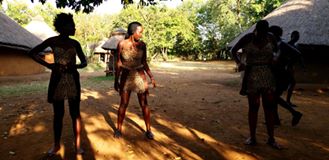
× The Jo-Kajok
The Jo-Kajok sub-group, the first Luo wave and largest migration, comprises the Pajok cluster and the migration from Alur. They were the earliest to arrive in Kenya between A.D. 1490 and 1550, and their history is the history of the Southern Luo migration into Kenya.
(i) Pajok clan cluster:
-: Alego (Seje; Kadenge; and Kamiyawa among the Sakwa–Kamasoga, Kamadhi, Kanyamgony & Kanyagwala)
-: Nyakach (Kadiang’a, Kajimbo/Kamwala, Kandaria, Kabodho, Jimo and Kasaye)
-: Komwa (based in Kisumu, and include Korando, Karombo, Kogony, Kanyuto etc…)
-: Konyango/Kachwanya (Kochieng’; Kaluoch; Kanyidwera; Kamama; Kombogo; Kabonyo; and Konyango–Kanyamwa, Kabuoch, Kabuoch Konyango & Kadem)
-: Kagwa ( based in Madiany locality, and Luo Imbo & Suba divisions of Rorya; comprising Yewe, Nyagwala, Kanyajeri, Kamsaki and Kadigol etc)
-: Kano (Kolwa, Kamagaga, Kochogo, Kakola, Kawamoya, Kadibo and Usonga etc)
-: Ramogi (based in Nyabondo plateau, Oyugis, Suna-Migori and Rorya)
-: Seme (based in Seme locality; comprising Kagumba and Kadipir)
-: Kanyinek (based in Nyajuok, Siaya)
(ii) The migration from Alur:
-: Kanyala/Nyang’ori (Kasagam, Kameji, Kaugagi, Nyang’or/Kabim; Racham-Gem, Katolo, Gongo, etc…)
-: Kanyikela (inhabiting Ndhiwa, and Ndori Ramba in Asembo Bay; including Kuhaya, Kanyamudho, Katuola, Kwabambla Kongolo and Kopiyo)
-: Kabuor (Karadolo in Ukwala, Kanyadet in Ndori-Yala, Kaila/Karabuor in Otwenya Maseno locality, and Kagok in Kisumu)
-: Kanyadoto (dominant in Nyarongi locality; comprises Kaganda and Kabura—Kanyakwenda and Kagola/Wapondi)
-: Kamoth (inhabiting Kanyamkago hills; constituted by Kawere, Kajulu and Katieno)
-: Kagan/Kowino (Kanyiriema, Kakoko and Kachieng’)
-: Kowak (dominant in Bondo, Awendo, Oyugis and Luo Imbo localities; actually a sub-clan of Nyibinya and include Kibira, Kachiemo, K’otho, Kanyaguti, Kanyagak and Kamot/Kadera-Sakwa)
-: Kamageta (dominant in Girango division, Rorya; and comprises Kamakwana, Kamadho, Kaluambe, Kamgunga, Waseda, Kochieng — also in Migingo Kadibo, & Kagak-Oyugis etc…)
-: Kajulu (dominant in Kisumu and Uriri; including Kamenya–Koda, Rateng’ & Kogweno; Kadero; Kanyimony; and Kamwagi)
-: Omia/Asembo (inhabiting East Asembo Bay locality)
-: Komenya (dominant in Uranga locality; composed of Kowala and Kalaka)
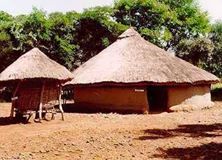
× The Jo-Kowiny
Jo-Kowiny sub-group was the second wave of the Luo to migrate into Kenya. They are believed to be the offshoot of the Padhola community of Eastern Uganda. The Jo-Kowiny, led by Owiny Sigoma, came in the 16th century and settled around the area called Alego.
-: Karuoth (dominant in Uranga and Boro localities)
-: Kogelo (based in Siaya, East Awendo, Nyando, Kendu Bay, Oyugis and Mihuru Bay localities)
-: Kanyigoro (inhabiting Asembo Bay, Rusinga Island and Suna-Migori)
-: Kanyikwaya (in Yala locality)
-: Karapul (in Siaya locality)
-: Kanyakwar (mainly based in Kisumu)
-: Kakeny (also known as Uholo, and dominant in Sigomere, Ugunja locality; comprise Kanyambir, Uwangwe, Saga and Uwiny)
-: Kojwodhi (settled in the northern parts of Yala locality)
-: Kadimo (in Yimbo locality)
-: Kowil/Ojwando ( Waundha, Nyiywer, Wanyejra, Wasenge, Wahipi, Kanyibale, Kowil, Goma and Karodi etc…)
-: Ndere (in Ugunja locality)
-: Kaluo (inhabiting Nyalgunga, Siaya locality, and include Kachien)
-: Kadhola (found in Kisumu and Ndhiwa)
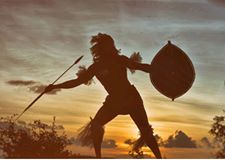
× The Jo-Komolo
Joka Omolo was the third sub-group of Luos to enter Kenya, where they arrived at the beginning of the 17th century.
(i) Ragenya clan cluster:
-: Kager (based in Ukwala and Uranga)
-: Boro (inhabiting Boro and Ugunja)
-: Kakan (dominant in Karemo, Siaya locality)
-: Kanyada (Kothidha, Kalanya, Katuma/Koduogo, Kanyabala, Kotieno, Kanyadier and Kanyango)
-: Ugenya (a broad clan of Ragenya cluster; and include Kapuny/Masiro; Kanyamuot; Deje/Kateg; Kanywa/Nyagor; Kageng’; and Kanyiner)
-: Kanyimach (based in Rongo South and in Kamagak Oyugis)
(ii) Kakwenda clan cluster:
-: Gem (Kanyiwuor/Kawere, Kathomo and Kagilo)
-: Kochia (Kaura, Kanam, Kamenya, Kowili and Korayo)
-: Gem-Kowiti (Kachieng’, Genga and Kopole)
-: Agoro (based in Katito and parts of Oyugis)
-: Sare/Wasare (settled in Katito and Oyugis localities)
-: Koguta (settled on the slopes of Nyabondo plateau, Pala in Riana locality, Rangwe and Muhoroni)
-: Gem-Rae (based in Katito locality)
-: Kadiro (based around Simbi)
× The Jo-Kawango
The Kawango or Joka Wanga sub-group came about after interaction between the luhyas and luos. They were a mixture of the Luhya and Luo clans who arrived from Western Kenya as the fourth wave of Luo migration to enter Nyanza. The Jo-Kawango separated from the second phase of the Jo-Kajok migration, that is, the migration from Alur, and migrated to Western region where they established the Tiriki ethnic group, then to Madungu in Wanga, before entering Siaya. The other Luos also referred to them as Joka Suba because they migrated together with the Girango people. The term “Luo Abasuba” was later coined by pioneer historians who erroneously included other ethnic groups called Rieny and Abakunta into this group of Joka Suba.
Sakwa is the prominent clan in the Jo-Kawango sub-group. And generally, the Sakwa today is a broad Luo clan comprising the Kagwa, Kamwegenya/Waganjo, Waumi, Kamnaria (Surwa), Kakmasia, Kaler/Kamageta, Kamiyawa, Kamresi, Nyibinya, Kanyamwanda and Nyasmwa. However, these people intermarry among themselves, a clear indication that the broad clan of Sakwa is made up of descendants who cannot trace their lineage to a single ancestor.
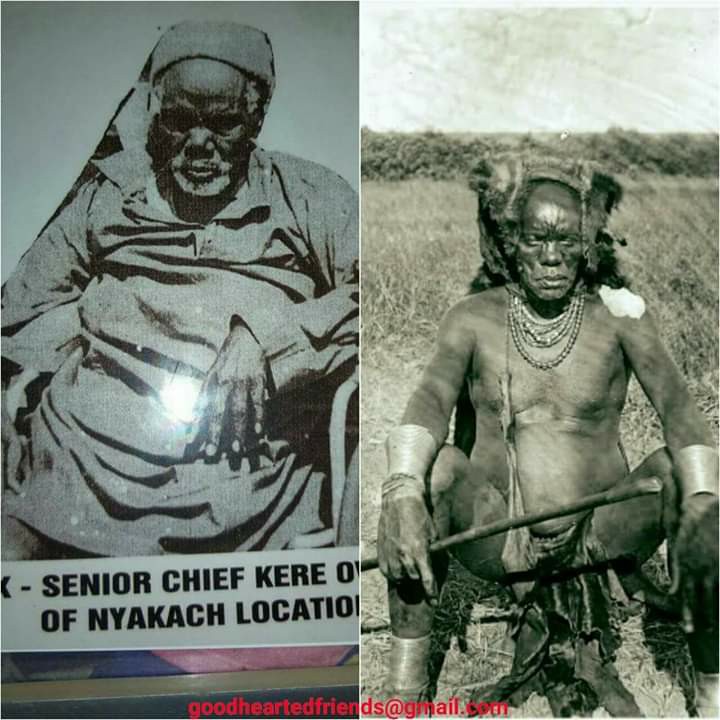
The Kawango (Luo Abasuba) clans are:
-: Kamatar/Sakwa (comprising Nyibinya, Kanyamwanda and Nyasmwa)
-: Kowila/Uyoma (dominant in Madiany locality)
-: Kaler (based in Nyatike locality)
-: Waturi (based in the areas of Luo Imbo, Rorya district; composed of Kawakswa, Kamatula, *Kamresi, Kogola and Lowa, as well as Konyango Aroya in Kano and Magoya in Ugunja)
-: Waondo (dominant in Gembe locality; related to the Komenya in Alego, and Asembo)
-: Kayanja (based in the Gembe hills; comprised of Waumi, Waregi and Wagi sub-clans and related to the Tiriki)
-: Waumi (excluding those who remained among the Kayanja; settled in Lambwe valley, Rongo and Kendu Bay)
-: Kakmasia (inhabiting Awendo West)
-: Vasachi/Wasaki (based in Mbita)
-: Kwabwai (settled in Nyarongi locality; include Kasirime, Kadhola, Kawanga, Kamdar and Kanyasbok sub-clans)
-: Zanaki (based in Musoma Rural and Butiama localities, Mara Region; composed of the Biru and Buturi)
× The Jo-Kale
The Jo-Kale who migrated from Acholiland, is the last and smallest Luo migration.
-: Kale (dominant in West Asembo Bay; include Kakia, Kabondo, Konyango & Kochieng)
-: Kamolo (based in Madiany locality; include Kabudha & Katweng’a)
2 KISERU LUOS
The Bakiseru were originally Bantu ethnic group, and cuter relatives of the Abagusii community. Most of the Kiseru customs and names were very similar to those of the Gusii people. That is why many Kiseru clans have been continually referred to as Jo-Kisii by their fellow Luos and some historians, although Kiseru and Gusii were different ethnic groups. Nevertheless, the Kiseru have lost most of their cultural aspects including language. The Kiseru people today speak Dholuo and have become largely part of the Luo through intermarriage and other forms of socialisation. Kiseru people have maintained intimate cultural and political relations with Ramogi Luos—they share clan affiliations like the Karachuonyo/Wanjare and Konyango Rabala. The Kiseru remnants today speak Ekigasi (in Nyanza) or Bunchari (in North Mara), and the language is in danger of disappearing.
Elder Kiseru is the ancestor of Kiseru people. Kiseru had three children: Kine, the son of Kiseru; Tesi, the daughter of Kiseru; and Kiseru Ajwang’, the son of Kiseru. Kiseru died before Kiseru Ajwang’ was born, when his mother was pregnant with him. When he was born he was named after his father. The Kiseru were people who use a language and customs different from Ramogi Luo and practiced ritual circumcision. However, it was necessary to leave it to follow the customs of Ramogi Luos to marry their girls. According to oral traditions passed down from generations to generations by word of mouth, for instance, Owaga Nyaluo, the fast wife of Rachuonyo, accepted to marry Rachuonyo on condition that his lower teeth were to be removed.
Although some of the Kiseru clans speak Ekigasi/Bunchari language, they all came from the same lineage. It is true that most Kiseru Luos do not know that Elder Ajwang’, who is their ancestor was son of Kiseru, a Bantu. Kiseru remnants in Gwasi and those in Mfangano Island are comfortable with being lumped together with the “Abasuba community”. At the same time, some of the Kiseru clans like the Karachuonyo, Kowidi (Kisumo), Wanjare and Wawaria are taken to be Jo-Kajok by historians. Nevertheless, the fact that some Kiseru people have been assimilated and adopted the Abakunta and Dholuo languages do not make them non-Kiseru in origin. Those who went to Kisii highlands call themselves the Bagusero or Wanchari, and moreover, some can also be traced in Kericho.
× The Kine
The Kine clan descended from Kine, the son of Kiseru. They retained Bantu initiation ceremony of circumcision and few of them use Bunchari language.
-: Kine (based in Nyancha locality, Rorya)
× The Ugu (Rieri)
Tesi is the ancestor of the Ugu people. She lived with somebody from the east whom they called “the man from Ugwe”:
-: Rieri/Nyanjogu (dominant in the areas of Nyahera and Bukura in Nyancha)
-: Ugu Kigunga (settled in the area of Lwanda Kiseru, Nyancha)
-: Kasgunga (inhabiting Gembe)
-: Wagunga (settled in Nyando and other places)
-: Wagwe (settled in Huma hills, Wire hills and Gembe)
-: Koredo (based in Huma hills and Oyugis)
-: Kamine (dominant in Kwoyo, Oyugis locality)
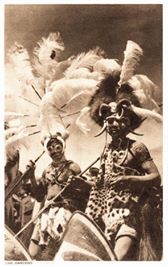
× The Kiseru Ajwang’
These are the clans of Kiseru Ajwang’ which are today known under the name of his father, Kiseru.
-: Karachuonyo (including Kanyajuok in Rongo South)
-: Kasipul (comprised of Kowidi, *Kachien, Kanyakila Kolondo, Komala, and Kodumo sub-clans)
-: Wawaria (dominant in Kombewa locality)
-: Kowidi (based in Maseno and Kisumu; comprises Karateng, Kanyawegi, Kapuonja, Karanja etc)
-: Wanjare/Wanchari (dominant in Kabondo)
-: Kalando/Mkseru (in Ruga)
-: Mikiria (settled in Oyugis and Chemelil localities; comprised of Kowidi, Miremi, Kosongo, Mukiro and Okiambe)
-: Matabori (in Oyugis locality)
-: Masamaro (based in Miruka, Nyamira locality)
-: Oyengwe (inhabit areas of Misambi, Karota and Nyamusi)
-: Watobori/Bhatobori (in Awasi, Nyando locality)
-: Sidho (inhabiting Muhoroni and Oyugis localities)
-: Wang’aya (dominant in Nyang’oma and Chemelil, Muhoroni locality)
-: Mur (dominant in Ng’iya Siaya, South Awendo, Kabar in Muhoroni, and Kodero Bara in Rongo)
-: Kamsangia/Kakseru (dominant in Nyancha locality, Rorya; and include Kamseko, Kamkuru, Kakwaere, Waji etc…);
-: Kwera (settled in Suna-Migori locality)
-: Kakaeta (based in Kobodo, Ndhiwa locality; brothers of the Kakwaere clan)
-: Waganjo (settled in the Gwasi hills, Kaksingri hills, Suna-Migori and Rorya)
-: Kamae (settled in the area of Mawego)
-: Warisia (based in the Suna-Migori locality)
-: Kaguria (in Pala, Riana locality)
-: Wasio (in God Jope of Suna-Migori, and Gwasi hills)
-: Soklo (inhabit Mfangano Island and Kaksingri hills)
-: Oongo/Wagasi (believed to be some of the earliest inhabitants in the Gwasi hills)
-: Kakimba/Ramba (mainly settled in the northern areas of Mfangano Island)
-: Wagimbe (living in Mfangano Island; the Wagumbe/Wanchari living among the Kuria tribe are part of the Wagimbe people)

× The Kiseru Obwere
The Kiseru Obwere refers to the Kiseru groups that arrived after the other Kiseru were already established. The Kiseru Obwere (Kiseru the Elder), meaning the people of Kiseru the Elder, and are also known as Kibwer. Kiseru the Elder had many children from the various wives that he had:
-: Wigi (comprising Kubia & Kamwenda)
-: Kaligoe
-: Waoi
-: Wasamo
-: Kanyameda/Abagonye
-: Wanyamongo
3 GIRANGO LUOS
The Bagirango, originally Bantu ethnic group with their own language, were assimilated into Luo and adopted many aspects of Ramogi Luo culture and language, though, they have managed to maintain some aspects of Bantu, and often use “Suba” as an identifier to distinguish themselves as a separate group. The Suba or Girango people are not to be confused by Homa Bay County residents, also called Luo Abasuba or Abasuba community, who are Bantu people of different ethnic backgrounds that reside within the borders of Suba District. Moreover, their language, Ekisuba/Ekingoe, was also distinct and very different from the Olusuba (Luganda) language spoken by the Luo Abasuba, particularly the Abakunta ethnicity. The name Suba is derived from Girango’s father who was called Suba. So all the Girango people owed their allegiance to Suba from whose lineage they were founded.
Majority of the Girango clans migrated alongside the Jo-Kawango, the fourth phase of the Luo migration into Nyanza. They came from Uganda and settled first in Western Kenya at Emanyulia, where Jo-Kawango people claim their ancestral root came from. Some of the Girango people remained behind in Western, for instance, the Bamiluha and Basuba of Tiriki, as well as the Mungoe in Bunyore.
The Girango people are culturally related to the Kiseru Luos and spoke closely related dialects of same language. A few remnants of Girango today speak Ekingoe language which has lexical similarities to the Kuria and Kisii languages, and share names with the Kuria. However, since Ekingoe is mostly spoken by few older generation, it is critically endangered. The Girango living among the Kisii tribe are part of the Girango people living in Luo. The Girango Luos are composed of:
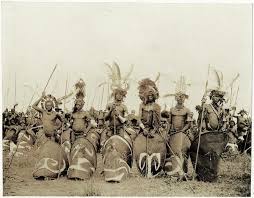
× The Girango proper
The originally Bantu hybrid community that is now known as the Suba Girango:
-: Suba (dominant in Suna-Migori locality; comprises Kadika, Katiga, Wiga, Wanje Wasimbete & *Wasweta)
-: Wagire (inhabiting Girango locality in Rorya, Suna-Migori, Kaksingri, Gembe and Rangwe; comprise Sangia–Kakrao/Chandwa, Nyuma & Misiru; and Karum)
× Wategi/Lang’o
These are the descendants of Muserema, and Muserema is the son of Girango. Muserema gave birth to Thunya, Ongombe, Mureri, Muruga and Aderema. Muruga and his younger sister Aderema went to Lang’o (Maasai) among a clan called Alburugo. That is why sometimes today the Wategi group are called Maasai or Lang’o. Thunya, the elder son of Muserema, is the ancestral father of the present Utegi and Kamagambo clans.
-: Utegi (based in Girango division of Rorya, and Suna-Migori)
-: Kamagambo/Kimbaba (Kanyamamba, Kangeso, Kagoro, Kongudi, Kongoma, Koluoch, Kanyadieto and Kamwango)
-: Sigiria/Kasigiria (dominant in Oyani)
-: Kakiberi (in Suna-Migori locality)
-: Kanyingombe (in the area of Rongo Central)
-: Kamreri (inhabiting Gembe and Rongo localities)

× K’ogoro
The descendants of Ogoro, the son of Girango.
-: Kiyenche
-: Ungoe
4 SIRATI LUOS
Originally, the Basirati spoke a different language and had different customs than the Luo, and are somehow related to the Banyore section of Luhya. They were the first to come to North Mara and Nyanza before all the other Luos. The few Sirati remnants today speak Olumuulu (in Nyanza) and Olusurwa (in North Mara).
-: Surwa (based in Nyancha locality; include the Kamsuru in Suna-Migori; Kamnara among the Sakwa and Maragoli; Sanua, later corrupted to “Suna” in Suna-Migori locality; and Nyore in Yimbo)
-: Muhuru (in Mehuru Bay locality; including the Kamreme in Yimbo locality)
-: Wakeru (in Rangwe locality)
-: Kakremba (dominant in Rangwe)
-: Kamgundho (dominant in North Kanyamkago and Lambwe)
5 IMBO LUOS
The people who originally inhabited the Luo dispersal point of Yimbo, and all of whom now speak Dholuo as their first language, were not Luo by custom and did not speak the Luo language. They were minority distinct Bantu-speaking ethnic groups that had different cultures and different languages prior to their settlement in Yimbo from the 14th century onwards. Some were displaced but those who remained in Yimbo formed the fifty-three different groups that came to be known together as Ojwando. The clans that originated from the earlier Bantu settlers of Yimbo:
-: Ojwando/Imbo (in Yimbo locality)
-: Walowa (excluding those who spread out into North Mara; settled in Suna-Migori, Kaksingri and Mfangano Island)
-: Mansawa (in Ugunja locality)
-: Kanyalaro (in the area of Sihayi, Ukwala locality)
-: Wahundha (based in Awendo South and Yimbo localities)
-: Wareje
-: Bassi (in Oyugis locality; and its offshoot, the Bassi of Kisii tribe)
-: Kamswa (also known as Waswa or Umswa; settled in Awasi Muhoroni, Yala, Ojwando in Oyugis, as well as in Suna-Migori)
-: Wayipi
-: Wasenge/Ulafu
-: Nyiywen
-: Wawindhi
-: Kamhore/Uhore (in Yala locality)

6 OTHER LUOS
The other Luos, also Nyokal, are generally minority Luo adoptees. They were non-Luo clans who were both absorbed by the several streams of infiltrating Luo people.
-: Uregi/Ukara (in Maeri, North Gwasi; originally part of the Kara in Northern Tanzania)
-: Osingo (based in God Jope, Suna-Migori locality; originally Kiroba)
-: Kanying’we (in Uranga locality; originally Maasai)
-: Gangu (in Uranga; also called Ya Kodera, originally Marachi)
-: Kalkada/Uradi (in Uranga; originally Teso)
-: Kamrembo (from Maasai)
-: Wasweta (part of Basweta in Kisii; based in the areas of Oyugis and Suna-Migori; from Maragoli)
-: Waware (in Awendo East; originally Abakunta)
-: Kolunje (in Otwenya settlement of Maseno locality)
-: Osije (in Nyahera, Oyugis locality)
-: Wamiembe (in Kanyamkago)
–> CONCLUSION
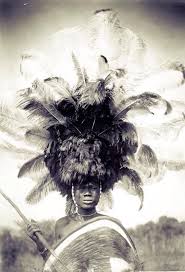
The Rienyi, also called Abakune, and the Abakunta ethnic groups were erroneously included in the fourth wave of the Luo migration by historians who also coined the term “Luo Abasuba.” The two minority ethnic groups migrated and settled on the shores of Lake Victoria and adjacent islands, and were associated with the Luo sub-group of Joka Suba simply because they are Bantu in origin. It is interesting to note that the Rienyi and Abakunta later pulled out of the Luo Abasuba sub-group and formed new ethnicity, using the name ‘Abasuba’ for political expediency. The fake Abasuba ethnicity was registered by the KANU regime at the onset of multiparty democracy in Kenya. Today, the Luo Abasuba group (originally Jo-Kawango) is largely associated with the Kunta and Rienyi ethnic groups who feel they are wrongly named. The two ethnic groups now dismiss the term “Luo” but retain “Abasuba” arguing that they are not Luos but Abasuba community.
-: Kunta
The ancestors of the Kunta came in boats several hundred years ago from Buganda Kingdom as refugees from a dynastic war and settled in Mfangano and Rusinga islands in the late 18th century. In spite of pressure from the neighboring Luo to assimilate them, the Kunta people have maintained much of their traditional culture and way of life. The language of the Kunta is still commonly spoken among the people of this ethnic group, especially in Mfangano Island, and there is great similarity between Olwebwang’ano (Lukunta language) and the Luganda language of the Ganda people. However, their language is becoming rarer, in part because the Kunta people prefer speaking Dholuo language.
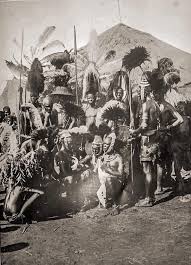
The Kunta people, or Bakunta (endonym: Abakunta; singular Omukunta), are a Bantu ethnic group originally Baganda (traditionally composed of 52 subtribes and the Abakunta are one of them). In actual fact, Kunta is a Baganda language spoken in the western parts of Kenya. They are a Ganda ethnic and linguistic group. And since the Ganda people are Bantu speakers, the adopted language contains dialects similar to that of the Kenyan language Luhya. The Abakunta proper clans who form the backbone of the Bakunta ethnic group are the Bakula, Bakinga, Baware, Bamasengre, Balundu, Baozi, Baganda, Bakiwanga (Kaswanga), Ngodhe, Bakala, Bakienga, Banyama, and Bakiaga. The non-Bakunta clans who migrated from Yimbo to Mfangano Island and got absorbed into the Abakunta ethnic group are the Wayokia, Wakisasi, Kakisori, and Wakiaya/Wakiala.
-: Rienyi
On the other hand, the origins of Rienyi people are not totally clear. However, it seems clear that the Rienyi ethnic group came from Mt Elgon during the 16th century and settled in the Kaksingri hills. A few of them later moved to the areas of Suna-Migori. And some again broke away from the splinter group in Suna-Migori and migrated to the present day Rorya district in North Mara where they are today called Irienyi. The Rienyi ethnic group in Kenya is comprised of two main sub-ethnicities known as Kaksingri and Kakione, and still speak their language called Igikune, and is more closely related to Kuria varieties. Nevertheless, most of them have been completely absorbed into the culture and language of their Luo patrons. The Rienyi today are bilingual in Luo and Abakunta (Ganda dialect) with one of these languages being more the mother tongue, and the other, the second language. Rieny people were close to the Kenye, Ikizu and Kwaya of Northern Tanzania.
~ Simbiti
The Simbiti ethnic group of Tanzania also claim to be part of Wasimbete clan of Suba, although it is unclear as to whether or not that Simbiti people are part of the same ethnic group with the Suba Girango.


This is an example post, originally published as part of Blogging University. Enroll in one of our ten programs, and start your blog right.
You’re going to publish a post today. Don’t worry about how your blog looks. Don’t worry if you haven’t given it a name yet, or you’re feeling overwhelmed. Just click the “New Post” button, and tell us why you’re here.
Why do this?
The post can be short or long, a personal intro to your life or a bloggy mission statement, a manifesto for the future or a simple outline of your the types of things you hope to publish.
To help you get started, here are a few questions:
You’re not locked into any of this; one of the wonderful things about blogs is how they constantly evolve as we learn, grow, and interact with one another — but it’s good to know where and why you started, and articulating your goals may just give you a few other post ideas.
Can’t think how to get started? Just write the first thing that pops into your head. Anne Lamott, author of a book on writing we love, says that you need to give yourself permission to write a “crappy first draft”. Anne makes a great point — just start writing, and worry about editing it later.
When you’re ready to publish, give your post three to five tags that describe your blog’s focus — writing, photography, fiction, parenting, food, cars, movies, sports, whatever. These tags will help others who care about your topics find you in the Reader. Make sure one of the tags is “zerotohero,” so other new bloggers can find you, too.

 vicworks